In the depths of the darkest places of your psyche, where depression and anxiety cast their shadows, finding a glimmer of hope can feel like an impossible task. As someone who has experienced the relentless grip of these mental health challenges, I understand the weight they bear. However, I have also discovered a powerful ally that has helped me navigate these stormy waters: hobbies.
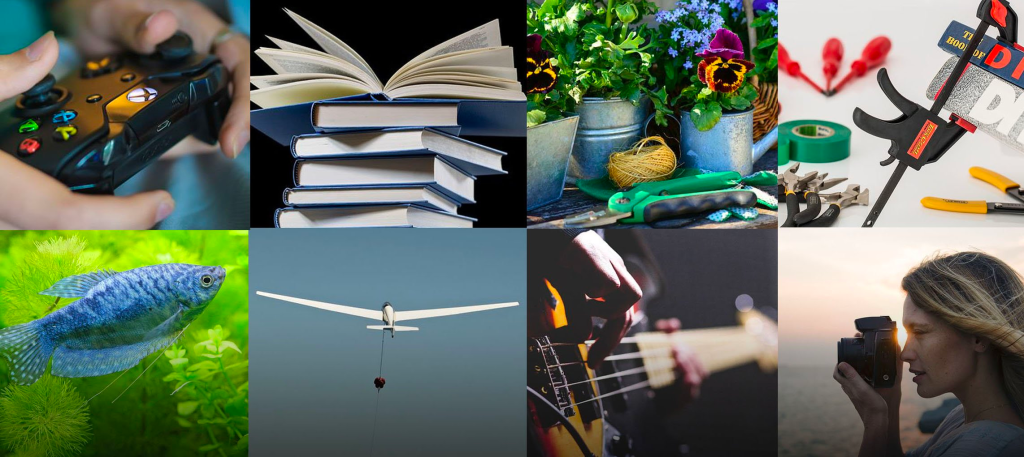
Engaging in activities that bring joy, fulfillment, and distraction has proven to be a lifeline during my darkest moments. In this blog post, I will share the top reasons why hobbies remain critically important while enduring depression and anxiety, drawing upon my personal experience and scientific research.
Table of Contents:
- The Escape from the Mind’s Maze: Finding Solace in Hobbies
- A Channel for Self-Expression: Unleashing Creativity and Passion
- The Power of Distraction: Redirecting Negative Thoughts
- Building a Sense of Achievement and Self-Worth
- Social Connection and Support: Joining Communities
- The Therapeutic Nature of Hobbies: Reducing Stress and Anxiety
- Seeking Professional Guidance: When to Incorporate Therapy
The Escape from the Mind’s Maze: Finding Solace in Hobbies

During the worst moments of those suffering from depression and anxiety, our minds can become trapped in a never-ending labyrinth of negative thoughts. Engaging in hobbies offers a temporary escape, allowing us to step away from the overwhelming darkness and immerse ourselves in activities that bring joy and fulfillment. Whether it’s painting, playing a musical instrument, gardening, or engaging in sports, hobbies provide a sanctuary where we can momentarily detach from our troubles and find solace in the present moment.
Personally, video games, tabletop games, and the occasional binge-watch party are some of my favorite getaways. I find that immersion into a fantasy place, filled with the bizarre and the compelling, is a healthy form of escapism that allows my creative juices to flow and my anxiety levels to reduce.
A Channel for Self-Expression: Unleashing Creativity and Passion
Depression and anxiety often stifle our ability to express ourselves fully. Hobbies offer a channel for self-expression, enabling us to unleash our creativity and passion. Engaging in artistic pursuits, such as writing, painting, or photography, allows us to give voice to our innermost emotions and experiences. Through these creative outlets, we can find catharsis, gain a deeper understanding of ourselves, and connect with others who resonate with our expressions.
The Power of Distraction: Redirecting Negative Thoughts
One of the most significant challenges during periods of depression and anxiety is the incessant stream of negative thoughts that occupy our minds. Hobbies serve as a powerful distraction, redirecting our focus away from self-destructive ruminations. By immersing ourselves in activities requiring concentration, such as solving puzzles, learning a new skill, or engaging in physical exercise, we can break the cycle of negative thinking and create space for more positive and constructive thoughts.
Building a Sense of Achievement and Self-Worth
Depression and anxiety often erode our sense of self-worth, leaving us feeling helpless and defeated. Engaging in hobbies provides an opportunity to cultivate a sense of achievement and rebuild our self-esteem. As we make progress, acquire new skills, and witness our own growth, we gain a renewed sense of purpose and accomplishment. These small victories accumulate over time, helping us to regain confidence and rediscover our worth.
Social Connection and Support: Joining Communities
Isolation is a common companion of depression and anxiety, exacerbating the sense of loneliness and despair. Engaging in hobbies allows us to connect with like-minded individuals who share our interests. Joining in-person or online communities provides a support network of individuals who understand our struggles and can offer encouragement, empathy, and companionship. These social connections can help alleviate feelings of isolation and cook up a sense of belonging and understanding.
Speaking of cooking, sharing in this “chore” with your family and friends can actually act as a great stress reliever – spending time together in the kitchen provides a profound, unique sense of belonging. There’s a reason for the adage about finding a way to the heart through a grumbling tummy.

The Therapeutic Nature of Hobbies: Reducing Stress and Anxiety
Research has shown that engaging in hobbies has a therapeutic effect on mental health. Hobbies such as yoga, meditation, and gardening have been found to reduce stress, anxiety, and symptoms of depression. The act of engaging in activities we enjoy triggers the release of endorphins, dopamine, and serotonin, which are chemicals in the brain that contribute to feelings of well-being and happiness. Incorporating these therapeutic hobbies into our daily routines can significantly improve our mental and emotional well-being.
Seeking Professional Guidance: When to Incorporate Therapy
While hobbies can be a valuable tool for managing depression and anxiety, it is essential to face some hard facts: these are not an appropriate substitute for professional help. If symptoms persist or become overwhelming, it is crucial to seek guidance from a mental health professional.
Therapists can provide evidence-based treatments, such as cognitive-behavioral therapy (CBT) or medication, that address the root causes of depression and anxiety. Combining hobbies with professional therapy can offer a comprehensive approach to mental health recovery.
In the depths of depression and anxiety, hobbies can be a lifeline, offering solace, self-expression, distraction, and a sense of achievement. Engaging in activities we love can provide a temporary respite from the darkness, connect us with like-minded individuals, and contribute to our overall well-being. However, it is important to remember that hobbies are not a substitute for professional help. By combining the therapeutic benefits of hobbies with guidance from mental health professionals, we can navigate the challenging journey toward healing and recovery. Let us embrace the power of hobbies and discover the lifeline within ourselves.
Sources and Outside Links:
- National Institute of Mental Health (NIMH): https://www.nimh.nih.gov/
- Mayo Clinic: https://www.mayoclinic.org/
- American Psychological Association (APA): https://www.apa.org/
- HelpGuide: https://www.helpguide.org/
 Solyndria Creative